
 admin
Designing Fixtures in SMT Assembly
The SMT assembly method has a wide range of applications across various industries due to its compact design and ability to meet a variety of functional requirements. Unlike traditional soldering, SMT allows for higher component density. This feature allows for compact electronic devices, such as smartphones, tablets, and wearables, without sacrificing performance or functionality. However, achieving success in smt assembly requires careful planning and execution.
A key element of SMT is the use of fixtures to hold and support the PCB during the manufacturing process. Fixtures eliminate errors and variations by maintaining each component in a precise position. This simplifies production and improves quality. In addition, SMT allows for quicker turnaround and enables manufacturers to produce large quantities of products at lower costs.
Choosing the right fixture manufacturer is crucial to the success of your SMT project. Ensure that they are experienced in working with both prototype and volume PCBs and have the necessary equipment to handle SMDs. A reputable company will also have extensive experience with reflow soldering, automated optical inspection (AOI), and functional testing. Depending on your specific needs, the facility should also offer services like selective soldering and conformal coating.
A good test fixture should have the following characteristics:
Durability – Test fixture plates are subject to pressure forces, especially in areas where the workpiece contacts the fixture. High-quality materials can withstand these forces and provide long-term service. In addition, durable plates can reduce the number of repairs and replacements that are required.
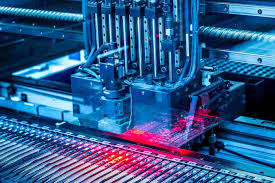
Key Considerations for Designing Fixtures in SMT Assembly
Operator safety – In order to maximize efficiency and productivity, SMT test fixtures should be safe to use. The fixtures should not have any pinch points or sharp edges and should prevent the workpiece from slipping or coming loose during operation. Additionally, the fixtures should be ergonomically designed so that they are easy to load and unload.
Precision – SMT assembly relies on solder joints to conduct electrical and mechanical connections, so any flaw in the joints can affect the function of the circuit. Therefore, the fixture should be engineered with a high level of accuracy to minimize contamination and failures. Additionally, the PCB and test device should be properly identified to avoid a misconnection.
Cost Efficiency – SMT assembles components more closely than through-hole technology, which means that there are fewer holes in the board. This reduces the overall cost of the board and makes it easier to route traces. However, this can also lead to a smaller amount of rework and a greater risk of failure.
As the world of electronics continues to shrink, SMT assembly is becoming an increasingly important production technique. Its ability to accommodate new design trends and increase functionality while minimizing size has made it the leading choice for a number of industries, including medical care, automotive, telecommunications, and industrial control. As a result, the demand for SMT parts is expected to grow in the future. However, to remain competitive, SMT producers must keep up with advancements in the technology.

