
 admin
circuit board assembly companies reliability
Underfill, a specialized material used in circuit board assembly, plays a significant role in enhancing the reliability and durability of electronic devices. It is applied to fill the gap between the semiconductor chip and the substrate, providing mechanical reinforcement and protecting against various environmental stresses. Understanding the contributions of underfill to circuit board assembly companies reliability is essential for companies striving to meet the stringent demands of modern electronics applications.
One of the primary ways underfill contributes to reliability is by mitigating the effects of mechanical stresses, such as thermal cycling and mechanical shock. Electronic devices are subjected to temperature fluctuations during operation, which can cause the materials they are composed of to expand and contract at different rates. This thermal mismatch can lead to the development of mechanical stresses, potentially causing cracks or delamination at the interface between the chip and the substrate. Underfill acts as a stress buffer, absorbing and distributing these mechanical forces, thereby reducing the risk of damage and improving the overall reliability of the device.
Moreover, underfill enhances the structural integrity of the semiconductor package, particularly in applications where the device is exposed to vibration or mechanical shock. Without adequate reinforcement, the solder joints connecting the chip to the substrate may be prone to fatigue and failure over time. Underfill encapsulates the entire package, effectively bonding the chip to the substrate and providing additional support to the solder joints. This ensures that the device can withstand the rigors of its intended operating environment, whether it be in automotive electronics, aerospace systems, or consumer electronics.
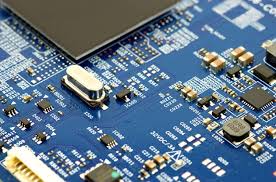
How does underfill contribute to circuit board assembly companies reliability?
Furthermore, underfill protects against moisture ingress and environmental contaminants, which can degrade the performance and reliability of electronic devices. Moisture can penetrate the gaps between the chip and the substrate, leading to corrosion, electrical shorts, and reliability issues. Underfill seals these gaps, creating a barrier that prevents moisture from reaching the sensitive components of the semiconductor package. Additionally, underfill can provide chemical resistance to common environmental contaminants, such as solvents and flux residues, further enhancing the reliability and longevity of the device.
Additionally, underfill contributes to the overall reliability of electronic devices by improving thermal management. Many electronic components generate heat during operation, and efficient heat dissipation is essential to prevent overheating and maintain optimal performance. Underfill materials with high thermal conductivity can help dissipate heat away from the semiconductor chip, reducing the risk of thermal stress and prolonging the lifespan of the device. By enhancing thermal management, underfill contributes to the reliability and performance of electronic devices in various applications, from high-power electronics to handheld devices.
Moreover, underfill plays a critical role in the miniaturization of electronic devices, allowing for the integration of smaller, more densely packed components. As electronic devices continue to shrink in size and increase in complexity, the spacing between components decreases, making them more susceptible to mechanical and thermal stresses. Underfill enables companies to design and manufacture compact semiconductor packages with confidence, knowing that the components are adequately supported and protected against environmental and mechanical factors.
In conclusion, underfill is a key component of circuit board assembly, contributing significantly to the reliability and durability of electronic devices. By providing mechanical reinforcement, protecting against environmental stresses, enhancing thermal management, and enabling miniaturization, underfill helps ensure that electronic devices meet the rigorous demands of modern applications. Circuit board assembly companies that prioritize the use of high-quality underfill materials can enhance the reliability and performance of their products, ultimately benefiting their customers and maintaining a competitive edge in the electronics industry.

