
 admin
adminOrganisations today face increasingly complex cyber threats that target not only systems but also employees, operational processes, and incident response capabilities. An adversarial assessment is designed to evaluate how effectively a business can detect, resist, and respond to realistic attack behaviour. Unlike basic security reviews that only identify technical vulnerabilities, this type of assessment measures overall resilience through controlled simulations of genuine cyber threats. The process provides practical insight into how attackers may exploit weaknesses across technology, human behaviour, and internal workflows.
Simulated Attack Scenarios and Threat Modelling
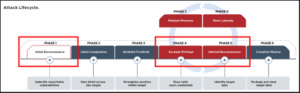
One important component of an adversarial assessment involves creating realistic attack scenarios based on known threat actor techniques. Security professionals study relevant cybercriminal tactics, industry-specific risks, and organisational exposure before designing simulations. These exercises may include phishing attempts, credential theft, covert network access, or privilege escalation activities. The objective is to recreate the behaviour patterns of real attackers in a safe environment. This helps organisations understand how their current defenses perform when facing sophisticated and persistent attack methods.
Evaluation of Detection and Monitoring Systems
A strong cybersecurity strategy depends heavily on accurate threat detection. During an adversarial assessment, monitoring tools, security alerts, and detection platforms are tested against simulated intrusions. Analysts observe whether defensive technologies can identify suspicious behaviour before attackers achieve their objectives. The assessment may also evaluate how quickly security teams investigate alerts and determine the severity of threats. These insights reveal gaps in visibility, logging, and monitoring capabilities that might otherwise remain hidden during standard vulnerability scans or routine compliance testing.
Testing Incident Response Procedures
Cyber resilience requires more than technical security controls because effective response procedures are equally important during active incidents. An adversarial assessment examines how incident response teams communicate, escalate threats, and coordinate defensive actions under realistic attack conditions. Organisations can identify weaknesses in response planning, internal collaboration, and decision-making processes through controlled attack-and-defend exercises. These evaluations provide valuable operational insight into whether teams can contain intrusions quickly and minimize business disruption during genuine cyber emergencies or targeted attacks.
Assessing Human Behaviour and Awareness
Employees are often targeted through social engineering, phishing emails, or deceptive communication tactics. For this reason, human behaviour plays a major role in modern cybersecurity assessments. An adversarial assessment may include simulated phishing campaigns or other human-focused attack techniques to measure employee awareness and decision-making. The results help organisations understand how staff members respond to suspicious activity and whether existing training programs are effective. Businesses researching advanced security readiness approaches frequently explore additional information and resources through swarmnetics.com for operational assessment guidance.
Measuring Organisational Resilience
A key feature of this testing method is its focus on organisational resilience rather than isolated technical weaknesses alone. Security professionals evaluate how people, processes, and technologies work together during simulated attacks. This may involve measuring communication speed, defensive coordination, and recovery capabilities after attack scenarios unfold. Unlike traditional penetration tests that mainly prove exploitability, an adversarial assessment provides evidence about how well an organisation can withstand real-world cyber pressure. The findings support stronger preparedness across operational, technical, and managerial levels of the business.
Delivering Actionable Security Insights
At the conclusion of the engagement, organisations receive detailed findings that extend beyond lists of vulnerabilities. The final report often includes observations about defensive effectiveness, response performance, employee behaviour, and operational gaps discovered during testing. Recommendations focus on improving resilience, strengthening detection capabilities, and enhancing incident response readiness. Continuous assessments over time also help businesses measure security improvements against evolving attacker tactics. As cyber threats become more sophisticated, organisations benefit greatly from realistic evaluations that strengthen preparedness across every layer of enterprise security operations.


