
 admin
adminAchieve Dimensional Stability in a PCB Stiffener
PCBs require a certain amount of rigidity to maintain structural stability and avoid damage during handling, assembly, operation, and storage. This is especially critical for boards that will be used in harsh environments, such as automotive and aerospace applications, where vibrations, shocks, and mechanical stress can occur. Keeping these elements from affecting the performance of your final product requires careful planning and a little bit of luck.
One way to keep these forces at bay is to use a pcb stiffener. This is a special material that can be added to specific areas of the PCB to create rigid zones and offer mechanical support. Stiffeners are made from materials like FR4, PI, and polyimide (Kapton) and can be attached to the board with adhesives to provide rigidity in the required area.
Stiffeners make specific regions of the flexible PCB rigid, preventing excessive bending or flexing during use. This can be helpful in areas that will experience thermal or mechanical stresses that could damage the circuit traces and components on the board. In addition, it allows the flexible PCB to maintain a more linear flatness that enhances surface mount component assembly and provides an easier path for power and signals to reach their intended destination.
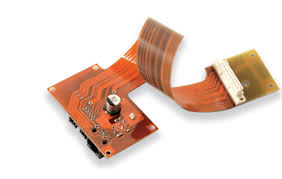
How to Achieve Dimensional Stability in a PCB Stiffener
Stiffeners also protect delicate or heavy components from stress and strain that can be caused by bending or flexing of the flexible PCB. This can be especially important in high-speed or highly-complex designs that require the use of Zero Insertion Force (ZIF) connectors. ZIF connectors rely on precise mechanical features to connect and disconnect properly. Without the proper rigidity, these features may deform or even break, causing intermittent connections and possibly failing altogether. Stiffeners help prevent this by creating rigid zones that offer the necessary stability to these types of connections.
A final advantage of using a pcb stiffener is to improve the overall thermal management of the device. High-performance electronic components generate a significant amount of heat during operation, which can degrade their performance and lifespan if not dissipated effectively. Using a thermally-conductive material like aluminum in a stiffener helps spread this heat more evenly throughout the device, mitigating hotspots and protecting the sensitive internal components from thermal damage.
If your design requires a particular level of stiffness, it is important to discuss this with the PCB fabricator early in the process so they can plan accordingly and ensure the proper materials are used for your pcb stiffener. In addition, they can suggest options for the best mounting method for your pcb stiffener. PSA attachment offers fast and simple manual application, while thermal bonding requires a heating process to activate the adhesive and form a durable and lasting connection. Both methods can be suitable for your application, depending on the size and weight of the stiffener and the degree of bending or flexing it will undergo during operation.

