
 admin
electronic assembly near me be recycled
As the world grapples with the growing challenge of electronic waste (e-waste), there is increasing interest in sustainable practices for electronics manufacturing and disposal. One question that arises in this context is whether electronic assembly near me, a common practice in electronics manufacturing, can be recycled. Electronic assembly near me refers to the placement of components in close proximity to each other within electronic circuits, a technique aimed at optimizing space utilization and signal integrity. While recycling electronic components and materials is not a new concept, the feasibility of recycling electronic assembly near me presents unique challenges and opportunities.
One of the primary challenges in recycling electronic assembly near me lies in the complexity and heterogeneity of electronic components and materials. Modern electronic devices contain a wide array of materials, including metals, plastics, and semiconductors, each with its own recycling requirements and processes. Disassembling electronic assemblies to separate and recover these materials can be labor-intensive and technically challenging, particularly when components are densely packed together.
Moreover, electronic assembly near me often involves the use of adhesives, solder, and other bonding materials to secure components to the substrate. These materials can complicate the recycling process, as they must be removed or separated from the electronic components before recycling. Furthermore, the presence of hazardous substances such as lead, mercury, and brominated flame retardants in electronic assemblies poses environmental and health risks if not handled properly during recycling.
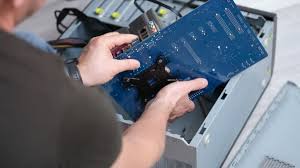
Can electronic assembly near me be recycled?
Despite these challenges, there are emerging technologies and strategies aimed at improving the recyclability of electronic assembly near me. One approach is the development of disassembly techniques and equipment specifically designed for separating and recovering components from densely packed electronic assemblies. Automated disassembly technologies, such as robotic dismantling systems and laser-based separation methods, show promise in streamlining the recycling process and minimizing labor costs.
Additionally, advancements in material science and recycling technologies offer new opportunities for recovering valuable materials from electronic assemblies. For example, innovative recycling processes, such as pyrolysis and chemical recycling, enable the recovery of metals, plastics, and other materials from electronic waste streams. These processes can help reduce the environmental impact of e-waste disposal and promote the circular economy by reintroducing recycled materials into the manufacturing supply chain.
Furthermore, the concept of modular design and component standardization can facilitate recycling electronic assembly near me. By designing electronic devices with easily replaceable and recyclable components, manufacturers can simplify the disassembly and recycling process. Standardized interfaces and connectors allow for efficient separation of components, making it easier to recover valuable materials and reduce waste.
In addition to technological advancements, policy initiatives and regulatory frameworks play a crucial role in promoting the recycling of electronic assembly near me. Governments and international organizations are increasingly recognizing the importance of e-waste management and implementing regulations to incentivize recycling and discourage disposal in landfills or incineration. Extended producer responsibility (EPR) programs, which hold manufacturers accountable for the end-of-life management of their products, encourage the adoption of eco-design principles and recycling best practices.
In conclusion, while recycling electronic assembly near me presents challenges related to complexity, material diversity, and hazardous substances, there are promising opportunities for improving recyclability through technological innovation, material recovery processes, and policy interventions. By adopting sustainable practices, embracing circular economy principles, and collaborating across the electronics supply chain, the industry can work towards a future where electronic waste is minimized, and valuable resources are conserved through efficient recycling of electronic assembly near me.

