
 admin
adminTurnkey PCB Assembly Facilitate Supply Chain Management
A turnkey PCB assembly manufacturer provides an integrated approach that includes the manufacture of your circuit board, the delivery of the finished product and its complete set up. The assembly procedure also includes the design and a diagram of the components on the PCB as well as the outer packaging. A reputable manufacturer will ask you to provide a reference picture of how you want your product to appear. They will use this information to design the outer packaging and prepare a user manual that will accompany the product.
The benefits of turnkey assembly include significant cost savings over in-house production. Building similar assembly capacity in-house requires substantial investments in facilities, equipment and specialized staffing. Turnkey assemblers avoid these major fixed costs, passing the cost savings on to you in the form of lower assembly fees. Turnkey assemblers also reduce costs in areas like logistics. Their bulk purchasing power enables them to secure discounted freight rates, and they optimize utilization of equipment and staff through specialization and workflow optimization.
One of the most significant time and cost-saving advantages of turnkey assembly is that it gives you the chance to spot potential errors before the boards are incorporated into products. When you give the assembler a netlist file as part of the assembly process, they will check to make sure the specifications match your application and find any mistakes. This can save you the headache of producing thousands of circuit boards that won’t work in your end products.
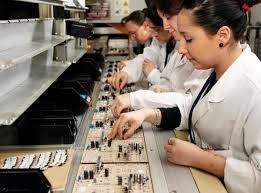
How Does Turnkey PCB Assembly Facilitate Supply Chain Management?
When choosing a turnkey assembly manufacturer, look for one that has extensive experience working with the type of product you’re assembling. The right supplier will understand your industry’s quality, reliability and compliance standards and have a proven track record of meeting or exceeding them. You’ll also want to choose a manufacturer with the ability to manage your changing requirements. They should be able to handle spikes in demand or plunges in production without costly delays.
Another important factor in evaluating a turnkey assembly manufacturer is their flexibility to adjust capacity quickly and effectively. They must be able to accommodate short-term, high-volume production runs as well as small-quantity prototypes. They should also be able to shift back and forth between in-house and outsourced production, based on business needs and volumes.
In addition to their flexible capacity, look for a turnkey assembly manufacturer that offers prototyping services. This is an essential step in the development of any electronic device. It lets you evaluate your prototypes in real-world conditions, ensuring they meet your expectations for performance and durability. Depending on your project, prototyping can help you improve the design and optimize for manufacturing efficiency. This can significantly accelerate your time to market and ensure that your final product is as cost-effective as possible.

