
 admin
adminManaged IT Services Handle Data Loss Prevention
Traditionally, IT services and management operated on a break/fix model. A technician would fix computer systems after they stopped working or were compromised by a cyberattack. But today, MSPs can proactively assess a client’s IT infrastructure to identify weaknesses and recommend solutions that improve digital architectures and security postures.
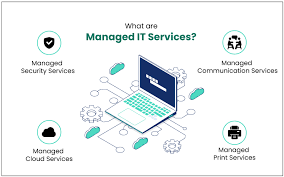
Managed IT services offer a full suite of solutions to technology challenges faced by businesses of all sizes. These solutions range from network security and cloud backup to data loss prevention and voice over IP (VoIP) solutions. Contracting an MSP to handle the day-to-day operations of a company’s IT services reduces the burden on internal IT professionals and frees them up for bigger projects and more strategic initiatives.
An MSP can also provide redundancy to IT systems in the event of a data loss or hardware failure. For example, if one server in your IT network fails, the MSP can use another server to keep your IT systems operational until the problem can be fixed. This redundancy can help you avoid expensive downtime and lost productivity. Services managed it encompass a wide range of technical offerings, each addressing a unique aspect of IT management. Below are some of the most essential services typically provided by MSPs:
In addition, the service provider will also offer a 24/7/365 customer support system that includes phone, email, live-chat, and online knowledge bases to assist with any IT issues or problems. This allows the business to keep customers happy while reducing the risk of costly downtime, which impacts revenue.
MSPs also typically offer 24/7 support and monitoring, which reduces the risk of downtime or IT disruptions to workflows. Additionally, MSPs have access to a wider range of expertise that may be unavailable in-house, including cybersecurity knowledge, best practices and lessons learned from other clients in your industry or size category.
How Do Managed IT Services Handle Data Loss Prevention?
MSP subscription packages are usually flat, recurring rates in tiered levels. This makes it easier for businesses to budget their IT costs and forecast monthly, quarterly or yearly expenses. It also allows for flexibility, as MSPs can often tailor their service offerings to the needs of each client.
MSPs can also save clients money by eliminating the need to invest in costly equipment like servers, storage and firewalls. MSPs can host these technologies on high-grade, fail-safe servers located in secure data centers, saving the client capital costs and physical space requirements. Additionally, they can save on software licensing by offering cloud-based versions of certain IT solutions. This can be especially beneficial for small businesses with limited IT staff and budgets.
MSPs use sophisticated monitoring tools to track the performance of the network in real time, identifying potential problems before they impact users. Network management also includes troubleshooting network problems, resolving bottlenecks, and optimizing network resources for improved performance.
By continuously monitoring the network, MSPs can help businesses avoid network downtimes that can result in lost productivity and revenue. With cyberattacks becoming increasingly common and sophisticated, cybersecurity is one of the most critical services offered by Services managed it providers. Cybersecurity services typically include the implementation of robust security measures to protect networks, systems, and data from malicious threats.
