
 admin
logistics options for printed circuit board assembly services
Logistics play a crucial role in the success of printed circuit board assembly services, as they are responsible for the efficient movement of components, materials, and the final assembled PCBs throughout the supply chain. With increasing demand for high-quality, reliable products in the electronics industry, the logistics options for printed circuit board assembly services have evolved to ensure timely delivery, cost-effectiveness, and seamless coordination between suppliers, manufacturers, and customers. From sourcing components to shipping the completed assemblies, logistics are integral to meeting production deadlines and maintaining high standards of quality.
One of the most important logistics options in printed circuit board assembly services is sourcing and managing components. The assembly of a printed circuit board requires various components, such as resistors, capacitors, microchips, and connectors, which must be sourced from multiple suppliers. Efficient logistics systems help ensure that these components are delivered to the assembly facility on time and in the correct quantities. Just-in-time (JIT) inventory systems are often employed in PCB assembly services to minimize inventory holding costs and reduce the risk of overstocking or stockouts. JIT ensures that components arrive only when needed for production, optimizing storage space and cash flow while avoiding delays due to shortages.
Another key logistics option is the transportation of raw materials and finished assemblies. Depending on the geographical locations of suppliers, manufacturers, and customers, transportation can be a complex and critical aspect of printed circuit board assembly services. Different modes of transportation, such as road freight, air freight, and sea freight, may be used based on factors like cost, speed, and the distance between locations. For example, air freight is often used when fast delivery of high-value components is required, while sea freight might be more cost-effective for larger quantities of goods being shipped internationally. The use of multiple transportation options allows for flexibility and ensures that production schedules are met without compromising on cost-efficiency.
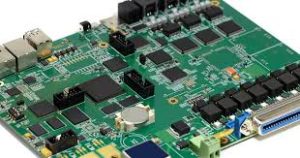
What are the logistics options for printed circuit board assembly services?
The use of global supply chains is also a significant aspect of logistics in printed circuit board assembly services. Many companies source components from international suppliers, which requires careful management of cross-border shipments, customs clearance, and compliance with various regulations. The complexity of international logistics requires a thorough understanding of trade rules, taxes, and tariffs to ensure smooth and timely delivery. To handle these challenges, many companies partner with logistics providers who specialize in international shipping and can navigate the complexities of customs and import/export requirements. Additionally, these logistics providers often offer tracking systems that provide real-time updates on the location of shipments, giving businesses greater visibility and control over the supply chain.
Inventory management is another logistics option that plays a vital role in the success of printed circuit board assembly services. As assembly companies deal with a variety of components and materials, managing inventory is essential to ensure that the right materials are available when needed. Advanced inventory management systems, such as Enterprise Resource Planning (ERP) software, can help companies track inventory levels, monitor lead times, and predict demand. These systems enable PCB assembly service providers to plan their production schedules effectively, avoid bottlenecks, and reduce the likelihood of delays due to inventory shortages.
Packaging and handling are also key components of the logistics process in printed circuit board assembly services. As PCBs are delicate and can be easily damaged during transportation, packaging plays an essential role in protecting the finished assemblies. Specialized packaging materials, such as anti-static bags and shock-resistant containers, are used to ensure that PCBs are protected from environmental factors like humidity, dust, and static electricity. Proper packaging also helps prevent physical damage during transportation, which could result in costly repairs or replacements.
Finally, the final delivery of the assembled printed circuit boards to customers is an important logistics option. Once the assembly process is complete, the finished PCBs need to be delivered to the customer, whether they are for further integration into a product or ready for retail. Delivery services must be coordinated to ensure timely arrivals, and the customer’s specific requirements must be met, such as delivery deadlines, documentation, and packaging specifications. Many printed circuit board assembly services work closely with third-party logistics providers to offer tailored delivery solutions that meet the needs of their customers while ensuring cost-effectiveness and reliability.

