
 admin
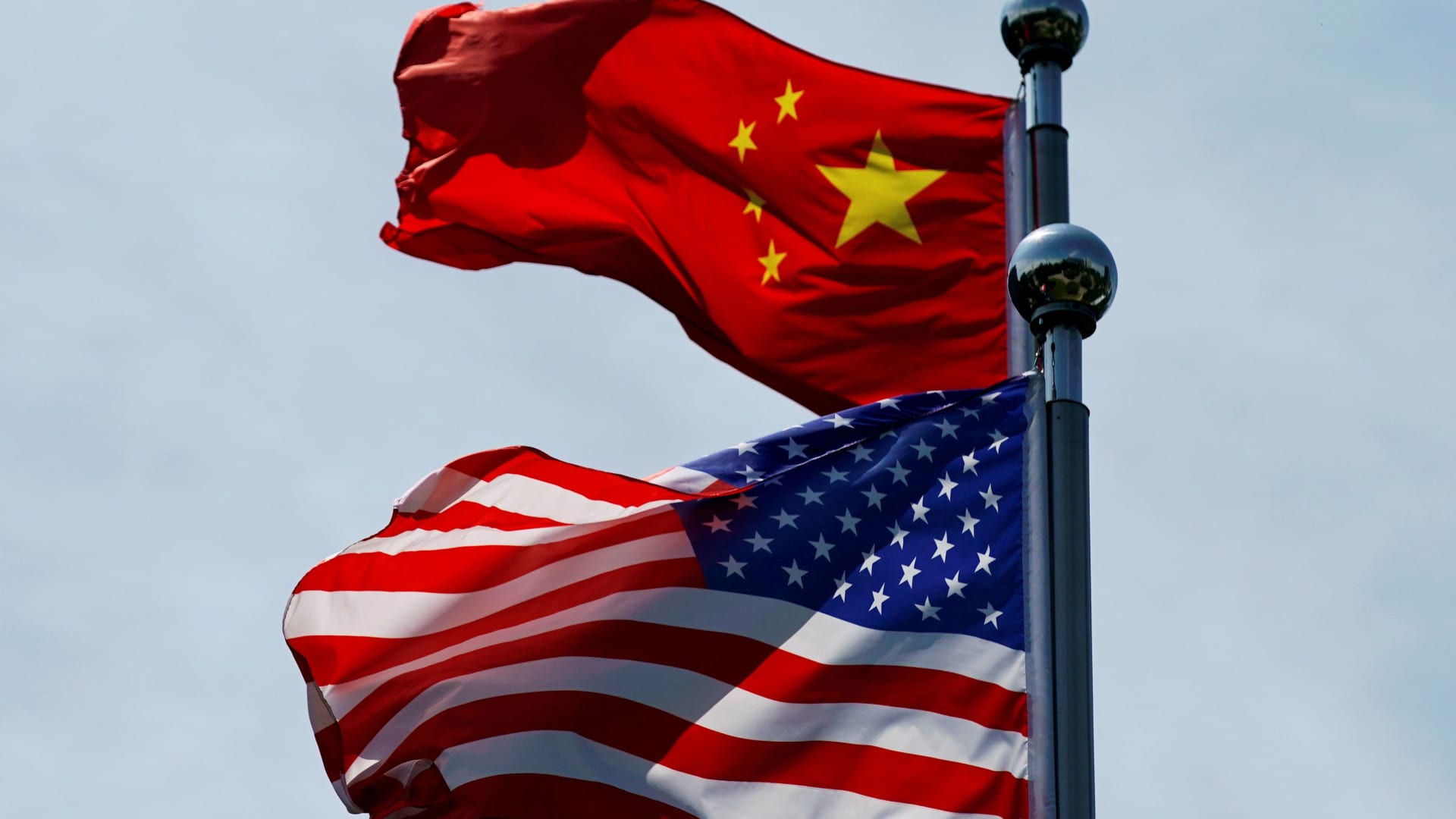
Chinese and U.S. flags flutter near The Bund, before U.S. trade delegation meet their Chinese counterparts for talks in Shanghai, China July 30, 2019.
Aly Song | Reuters
BEIJING — President-elect Donald Trump plans to raise tariffs by an additional 10% on all Chinese goods coming into the U.S., according to a post Monday on his social media platform Truth Social.
The post immediately followed one in which Trump said his first of “many” executive orders on Jan. 20 would impose tariffs of 25% on all products from Mexico and Canada. Such a move would end a regional free trade agreement.
Trump is set to be inaugurated as the next U.S. president on Jan. 20. He cited illegal immigration and illicit drug trade as reasons for the tariffs.
“I have had many talks with China about the massive amounts of drugs, in particular Fentanyl, being sent into the United States – But to no avail,” Trump said. He claimed that contrary to promises, Beijing did not impose the death penalty on such drug dealers.
Fentanyl, a synthetic opioid, is an addictive drug that’s led to tens of thousands of overdose deaths each year in the U.S.
Reducing illicit supplies of the drug, precursors of which are mostly produced in China and Mexico, has been an area in which Washington and Beijing have agreed to cooperate.
“Drugs are pouring into our Country, mostly through Mexico, at levels never seen before,” Trump said. “Until such time as they stop, we will be charging China an additional 10% Tariff, above any additional Tariffs, on all of their many products coming into the United States of America.”
Trump had threatened tariffs of 60% on Chinese goods while campaigning for president.
A 10% tariff on China is lower than the 20% to 30% that markets expected, Kinger Lau, chief China equity strategist at Goldman Sachs, said Tuesday on CNBC’s “Squawk Box Asia.” He expects China will cut rates, increase fiscal stimulus and moderately depreciate its currency in order to counter the economic impact of increased duties.
Mexico is the largest trading partner of the U.S., followed by Canada and China, according to U.S. data as of September.
The U.S. is China’s largest trading partner on a single country basis, according to China customs data. The Asian country’s largest regional trading partners are the Association of Southeast Asian Nations and the European Union.
— CNBC’s Hui Jie Lim contributed to this report.


