
 admin
admincleaning methods are used for a flexible printed circuit
Cleaning flexible printed circuits (FPCs) is a critical step in the manufacturing process, as well as in maintenance and repair, to ensure their reliability and functionality. The cleaning process helps remove contaminants such as dust, oils, solder residues, and other debris that may interfere with the electrical performance and longevity of the circuit. Various cleaning methods can be employed, each with its advantages and considerations, tailored to the specific requirements of the flexible circuits.
One common cleaning method for flexible printed circuits is the use of solvent-based cleaners. These cleaners effectively dissolve and remove organic contaminants like flux residues and oils, making them particularly useful after soldering processes. Solvents such as isopropyl alcohol (IPA) and acetone are widely used due to their ability to evaporate quickly without leaving residue. However, care must be taken when using solvents, as prolonged exposure to certain solvents may damage the flexible substrate or compromise the integrity of the circuit. Therefore, it is essential to choose solvents that are compatible with the specific materials used in the FPC and to follow the manufacturer’s recommendations for cleaning.
Ultrasonic cleaning is another effective method employed in cleaning flexible printed circuit. This technique involves immersing the FPC in a cleaning solution and using ultrasonic waves to create high-frequency sound waves that generate microscopic bubbles. These bubbles implode and produce shock waves that effectively dislodge contaminants from the circuit’s surface, even in hard-to-reach areas.
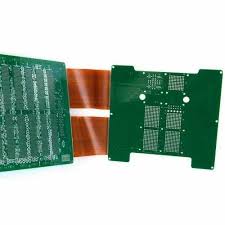
What cleaning methods are used for a flexible printed circuit?
Ultrasonic cleaning is particularly effective for removing stubborn residues, such as solder paste and flux. However, it is crucial to select the appropriate frequency and cleaning solution to avoid damaging the delicate structures of the FPC. Additionally, proper rinsing and drying after ultrasonic cleaning are essential to prevent any residual cleaning solution from affecting the circuit’s performance.
Another cleaning method involves the use of vapor degreasing, a process that utilizes vaporized solvents to clean the surface of the flexible circuits. This method is particularly effective for removing oils and greases. The FPCs are placed in a chamber where the solvent is heated, creating vapor that condenses on the circuit, effectively lifting away contaminants. Vapor degreasing is advantageous as it can clean complex geometries without direct contact, reducing the risk of physical damage to the circuit. However, this method also requires careful handling and proper ventilation, as the solvents involved can be hazardous if not managed correctly.
In addition to these methods, mechanical cleaning techniques can also be employed for flexible printed circuits. These techniques typically involve using brushes, wipes, or lint-free cloths to manually remove contaminants. Mechanical cleaning is often used for larger debris or dust particles and can be combined with solvent cleaning for more effective results. However, it is important to use gentle techniques to avoid scratching or damaging the delicate surfaces of the FPC.
Plasma cleaning is another innovative method gaining popularity in the cleaning of flexible printed circuits. This technique utilizes low-pressure plasma to effectively remove organic contaminants from the surface of the FPC. The plasma interacts with the contaminants, breaking them down into smaller particles that can be easily removed. Plasma cleaning is particularly advantageous for its ability to clean without the use of harsh chemicals, making it an environmentally friendly option. However, the equipment required for plasma cleaning can be expensive, which may limit its use in smaller manufacturing setups.

